
Essential Portuguese Etiquette And Survival Phrases For Travelers

Author
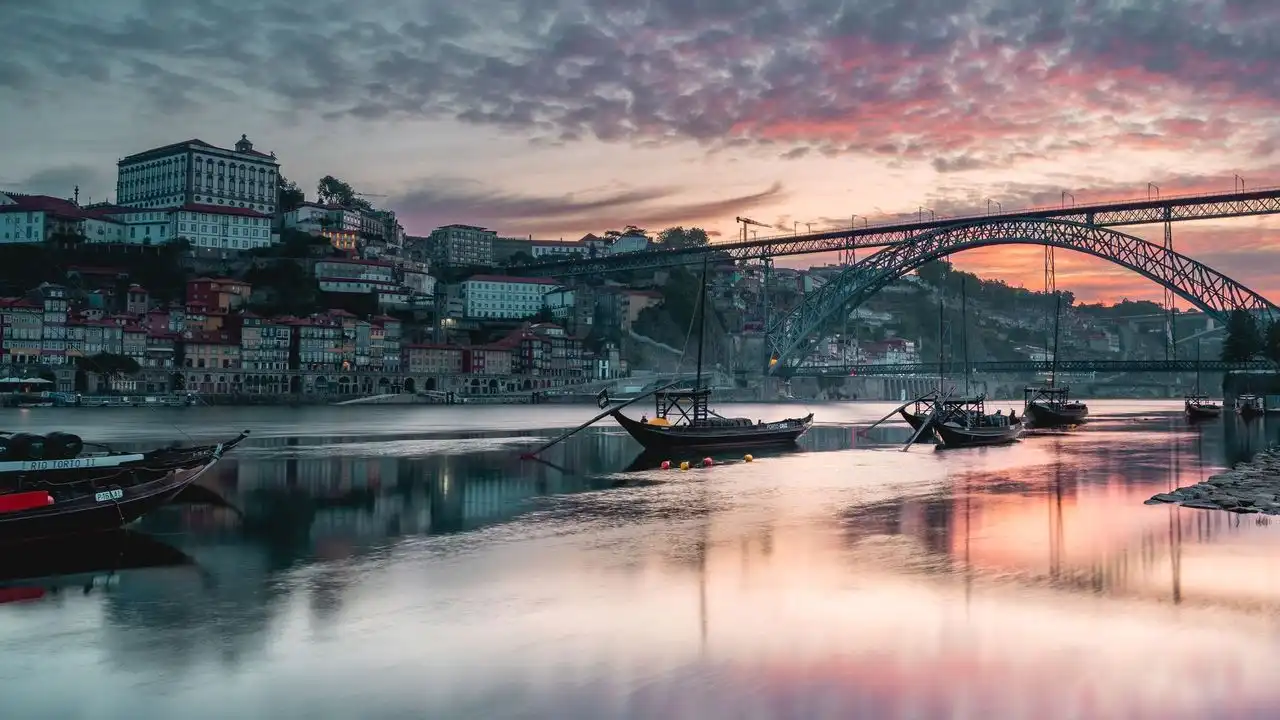
Traveling to a Portuguese-speaking country is an incredibly rewarding experience.
Knowing a few essential phrases shows immediate respect for the local culture.
Locals in both Portugal and Brazil appreciate travelers who make an effort to speak their language.
This guide covers the most important survival phrases and cultural etiquette rules you need for your trip.
Table of contents:
Basic greetings and politeness
Starting a conversation with a polite greeting is the golden rule in Portuguese-speaking countries.
You should always greet shop owners, waiters, and hotel staff when you enter a room.
Here are the most common ways to say hello and be polite.
| English | Portuguese |
|---|---|
| Good morning | Bom dia |
| Good afternoon | Boa tarde |
| Good evening / Good night | Boa noite |
| Please | Por favor |
| Thank you | Obrigado (if you are male) / Obrigada (if you are female) |
| Excuse me | Com licença |
| Sorry | Desculpe |
The word for “thank you” changes depending on your own gender, not the gender of the person you’re speaking to.
If you’re a man, you’ll always say obrigado.
If you’re a woman, you’ll always say obrigada.
Bom dia. Um café, por favor.
Muito obrigado.
Cultural etiquette when meeting people
The way you physically greet someone changes depending on whether you’re in Brazil or Portugal.
In Portugal, it’s customary for women to greet others with two kisses on the cheek.
Men in Portugal typically greet other men with a firm handshake.
In Brazil, the cheek kiss is also very common, but the number of kisses changes depending on the region.
In São Paulo, people usually give one kiss, while in Rio de Janeiro, two kisses are the standard.
When speaking to older individuals or strangers in service industries, you need to use formal language.
In Portugal, avoid using the informal pronoun tu with strangers.
Instead, use o senhor for a man and a senhora for a woman to show respect.
Brazil is much more casual, and you can comfortably use você for almost anyone.
Dining out and ordering food
Food is a massive part of the culture in both Portugal and Brazil.
When you sit down at a restaurant, you’ll need a few key phrases to order your meal.
| English | Portuguese |
|---|---|
| I would like… | Queria… (PT) / Eu gostaria de… (BR) |
| The menu, please | A ementa, por favor (PT) / O cardápio, por favor (BR) |
| Water | Água |
| The bill, please | A conta, por favor |
| Delicious | Delicioso |
In Portugal, the word queria (I would like) is the most polite way to request something.
Queria a ementa, por favor.
A conta, por favor.
Tipping culture also differs slightly between the two countries.
In Brazil, a 10% service charge is almost always included in your final restaurant bill.
In Portugal, tipping isn’t mandatory, but leaving a few extra euros on the table for good service is highly appreciated.
Asking for help and directions
Getting lost is a normal part of exploring a new city.
If you need help, always start the interaction politely with com licença (excuse me) or desculpe (sorry).
| English | Portuguese |
|---|---|
| Do you speak English? | Fala inglês? |
| Where is the bathroom? | Onde fica a casa de banho? (PT) / Onde fica o banheiro? (BR) |
| I don’t understand | Não entendo |
| Can you help me? | Pode ajudar-me? (PT) / Pode me ajudar? (BR) |
Desculpe, fala inglês?
Note that the word for bathroom changes completely based on the country.
In Portugal, you’ll ask for a casa de banho.
In Brazil, you’ll ask for o banheiro.
Onde fica a casa de banho?
Não entendo.
Taking a few minutes to memorize these basic Portuguese survival phrases will make your trip infinitely smoother.